StrategyOS

Scaling an internal strategy program

Role

Product Designer

Team

1 Strategy director

3 Strategists

1 Developer

Timeline

Dec - Apr 2024

Tools & Skills

Figma

Product strategy

Product design

Design system

Wireframing

Role

Product Designer

Team

1 Strategy director

3 Strategists

1 Developer

Timeline

Dec - Apr 2024

Tools & Skills

Figma

Product strategy

Product design

Design system

Wireframing

Problem

Fragmented systems were decreasing the ROI of strategy development.

A global strategy team at a Fortune 500 automaker spent years developing a brand strategy and collecting consumer insights for their new luxury vehicle brand. The result was extensive research scattered across decks, documents, and teams. This disjointed system made it hard for strategists to find key consumer research– leading to contradictory decision-making, and a lack of a shared vision across teams.

Approach

A dualistic approach that elevated every insight.

While we originally thought a single and unified structure for all insights would have been simpler and more helpful for teams, we discovered that was not the case.

Some insights were "functional" — used by strategists to make specific decisions. Others were "narrative" — used to build shared understanding and keep teams aligned on the broader consumer experience. Forcing both into one format meant compromising one to serve the other.

Features

Making insights accessible, flexible, and useful.

Narrative interactions

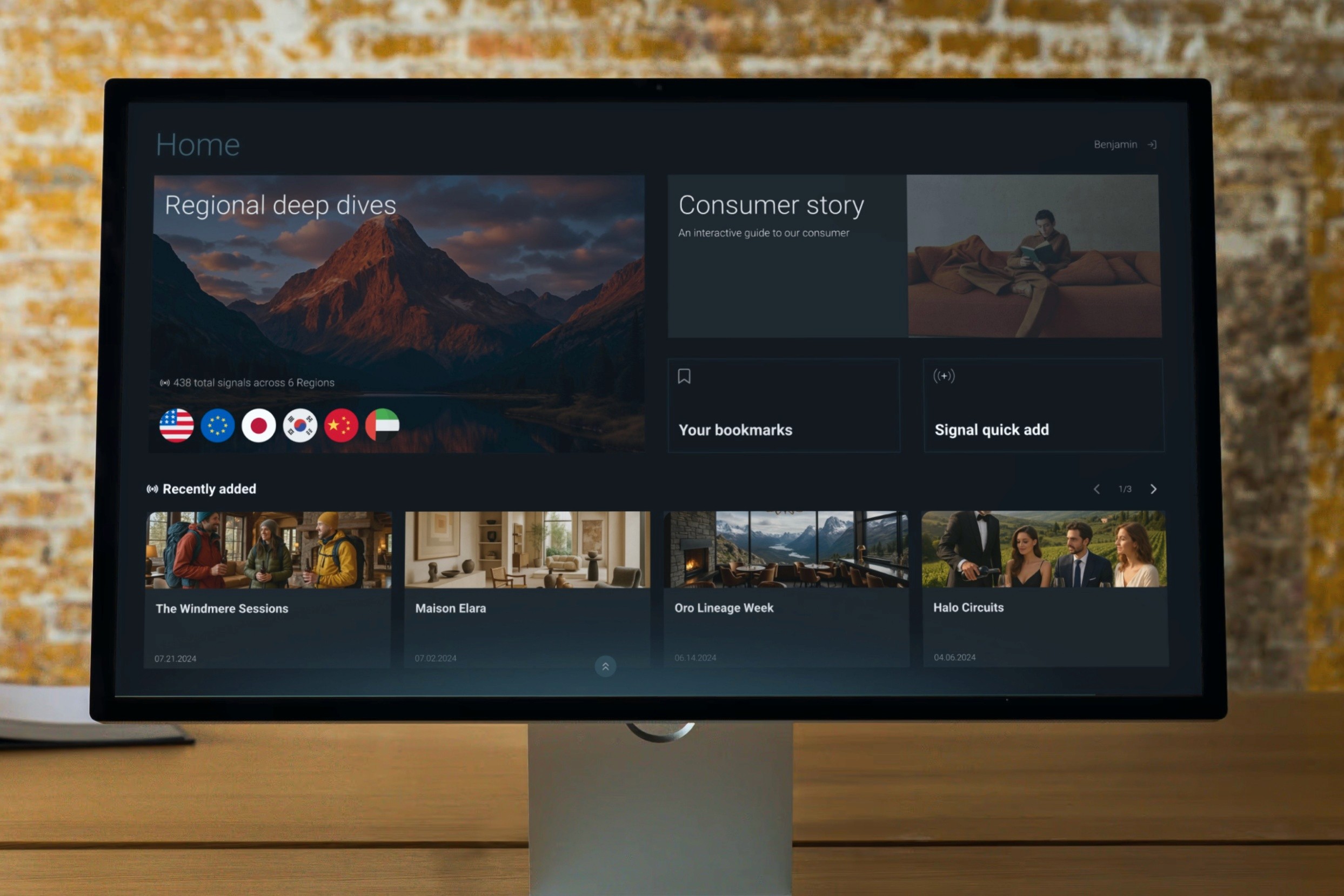
For "narrative" insights that are intended to build a shared understanding over time, static visuals fell short as they lacked engagement and were hard to decipher for people unfamiliar with the content. We turned key insights into scrollytelling interactions, sequenced the way a strategist would actually walk someone through the thinking.

Flexible database

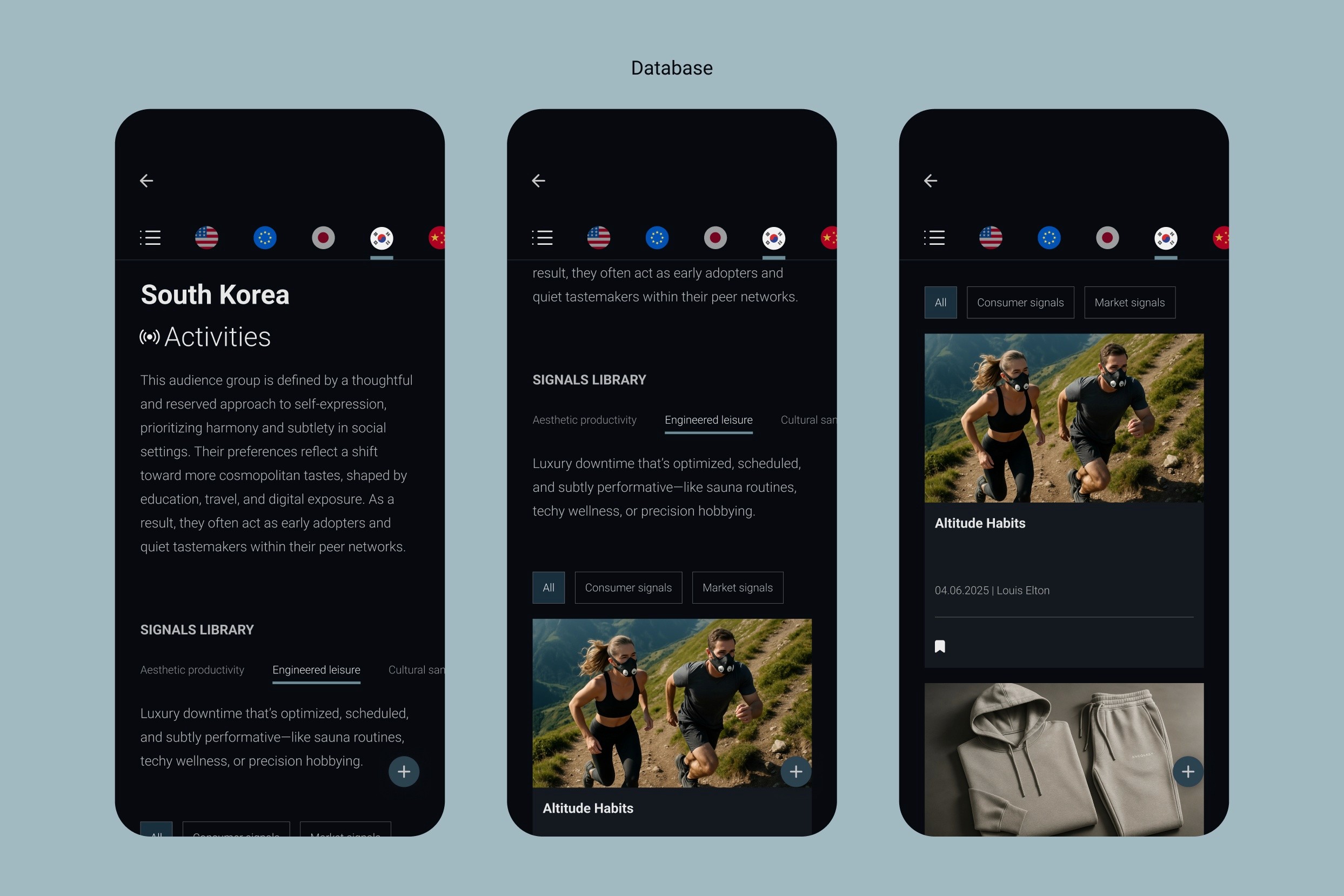
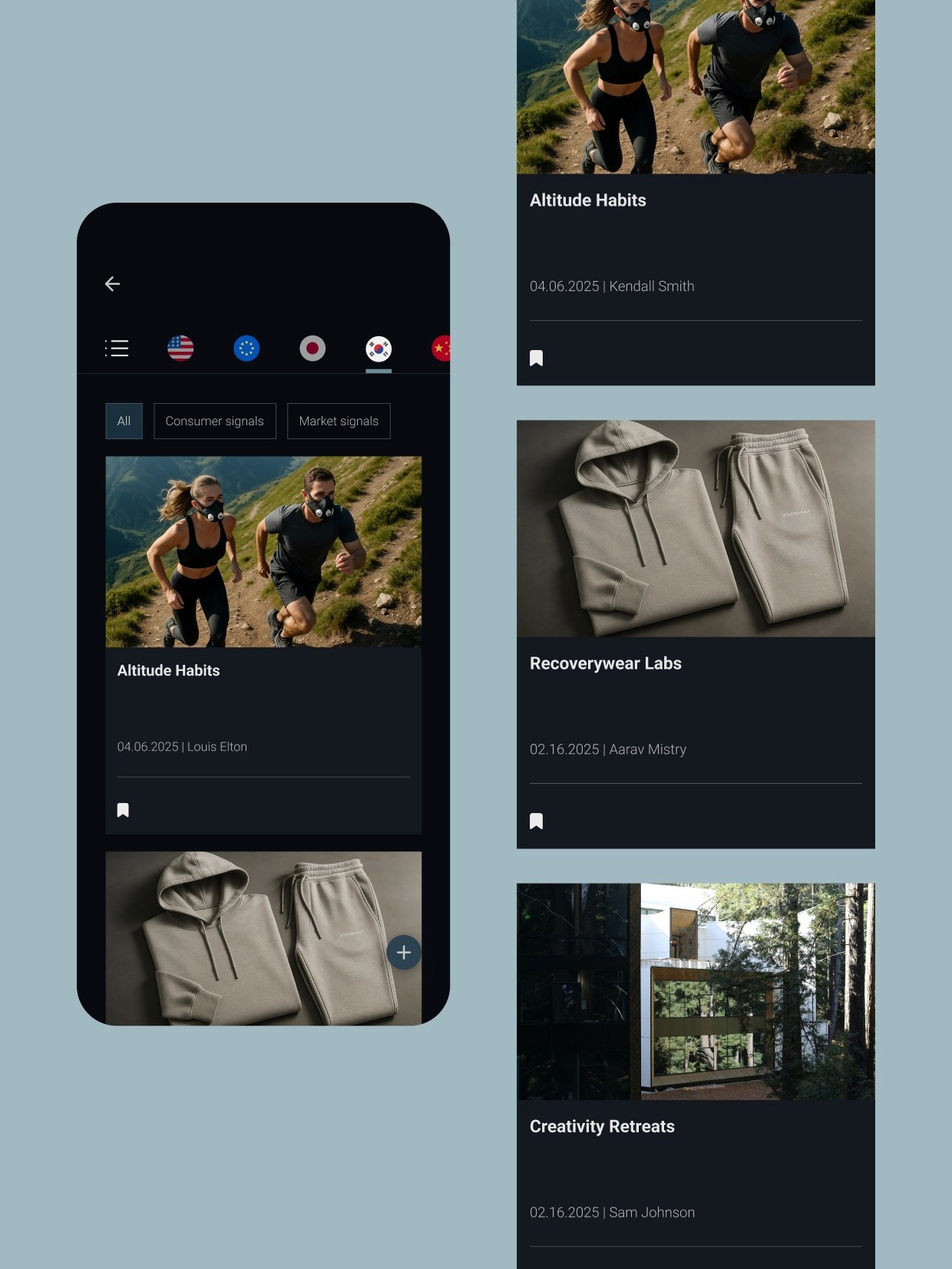
For "functional" insights that were used to make specific decisions, we built a database that sorted insights into clear and repeatable patterns that make them easy to find and add.

Database Architecture

A navigation architecture that scales with teams.

We used a modular format that let strategists add sections, categories, and insights without breaking the experience. Images also help ground abstract concepts for more unfamiliar users, so we designed components with ample room for visuals.

Adding insights

We made adding insights easy so the platform could scale quickly and without friction.

Interaction Design

Making content more engaging.

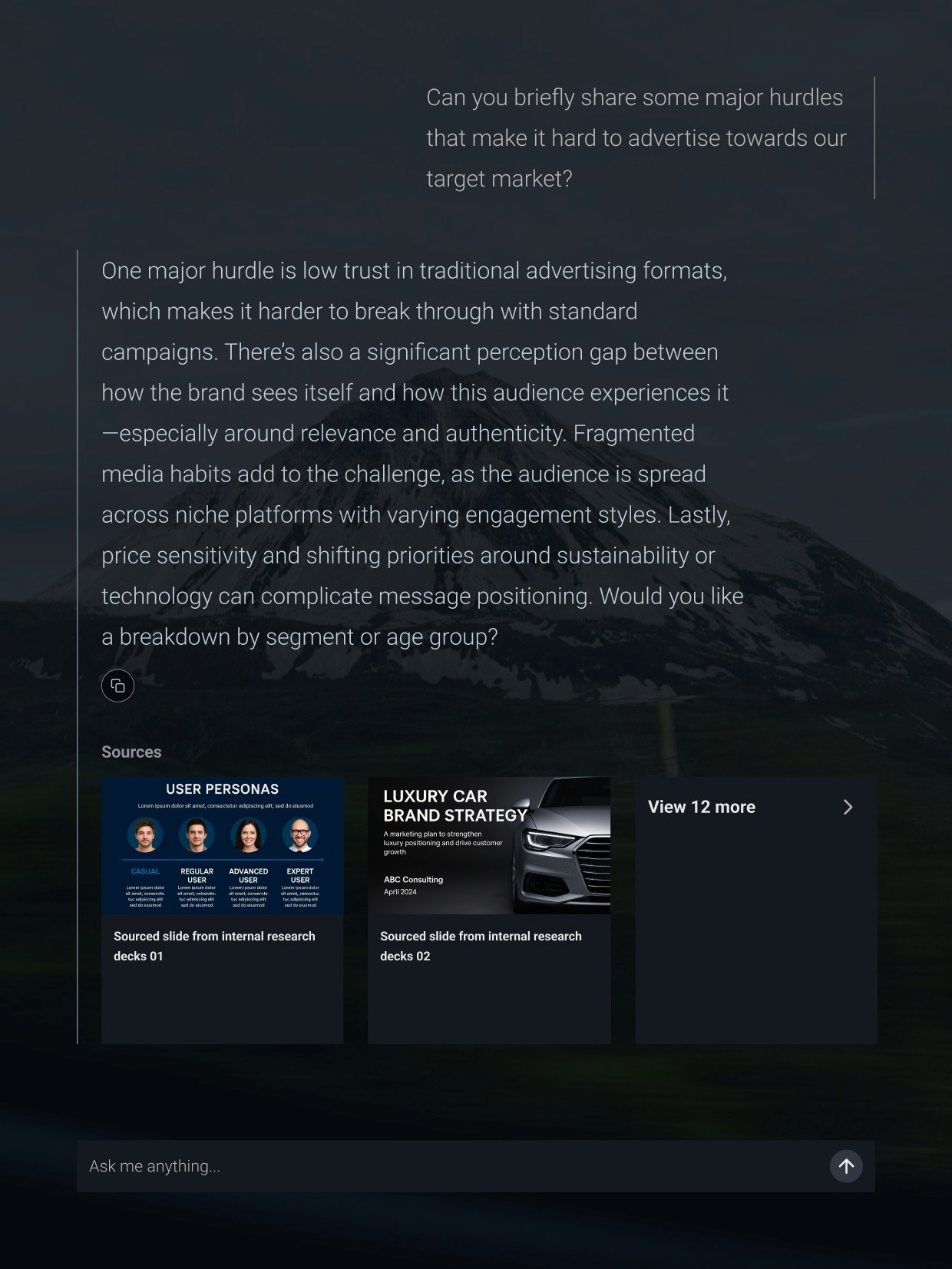
Interactions and animations turned static diagrams and information into engaging elements through techniques such as progressive disclosure and scroll-based animations.

Design System

Communicating the platform's importance and matching the in-car experience.

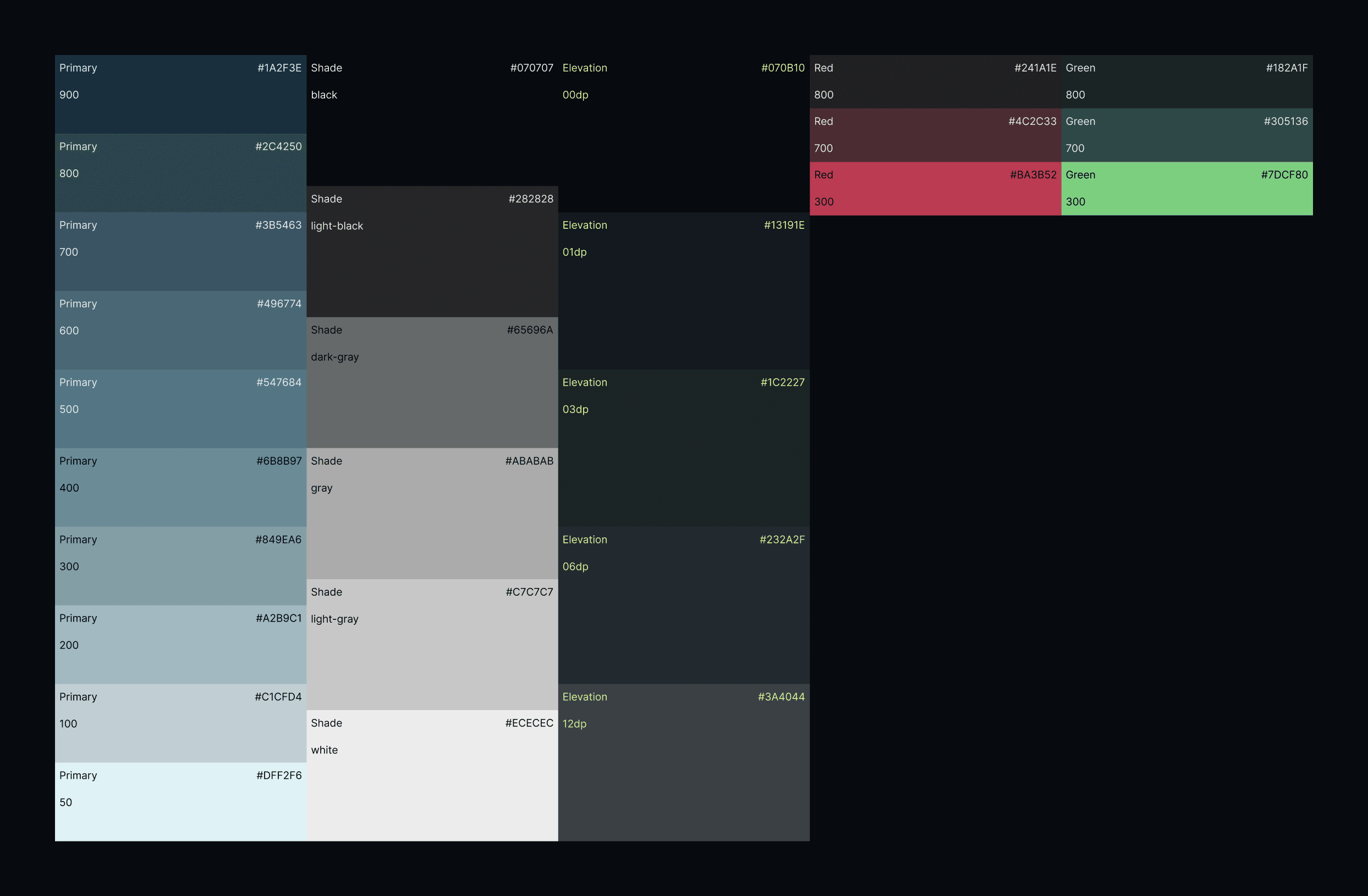
The art direction conveys precision and power, reflecting the platform's importance and the in-car experience. A monochromatic dark-mode palette creates a focused, high-contrast environment. A flexible typographic scale enables expressive, high-impact compositions with clear hierarchy. Sharp corners and crisp geometry reinforce a sense of technical rigor.

Results

+800 Insights

We helped significantly scale their internal research program: four months after launch, the internal team had added 800 insights to the platform.

We helped to significantly scale their internal research program: four months after launch, the internal team had added 800 insights to the platform.

0 →1 in 6 months

We launched within 6 months with a team of 6. We attribute the quick turnaround to our collaborative, systematic design approach.

Interaction Design

Engaging content through interactions.

Interactions and animations turned diagrams and information from static elements into engaging and approachable moments.

Role

Product Designer

Team

1 Strategy director

3 Strategists

1 Developer

Timeline

Dec - Apr 2024

Tools & Skills

Figma

Product strategy

Product design

Design system

Wireframing